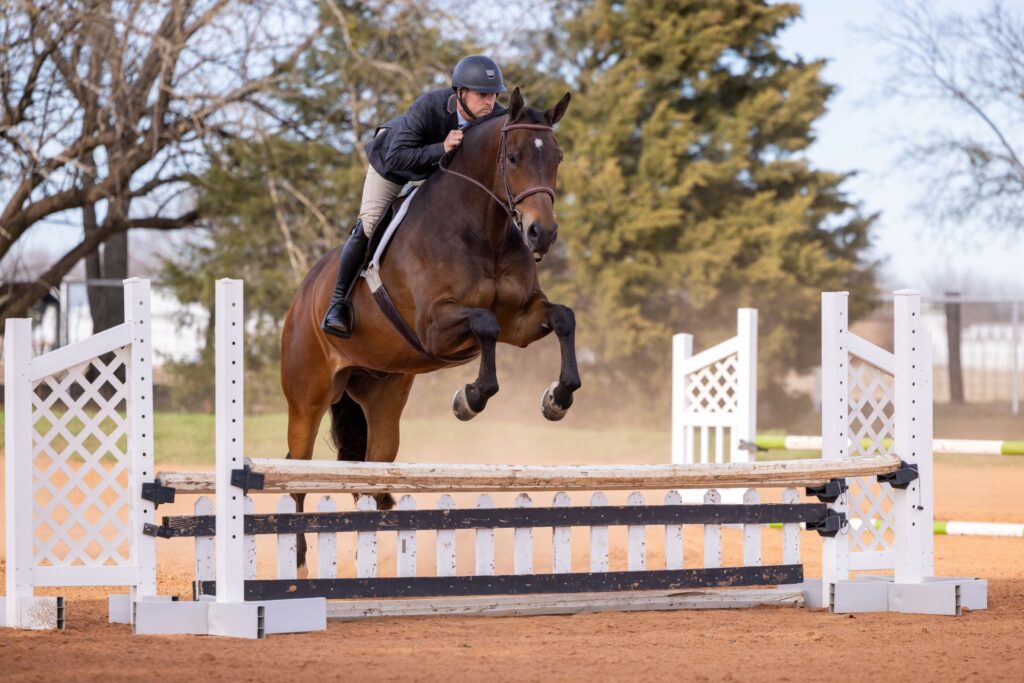
Riders who study jumping often realise that a strong eye for distances develops through rhythm, balance and clear decision making, rather than instinct alone. This article explains how beginners and advancing riders can train their perception and refine their timing in a structured, manageable way. Even those who browse hunter jumper horses for sale quickly notice that the ability to see distances correctly can transform how safe, fluid and confident a round feels. With consistent practice, riders develop a sense of spatial awareness that supports every step from the first approach to the final landing.
Understanding How the Eye Develops
A reliable jumping eye forms when the rider interprets rhythm in a consistent way and recognises how stride length influences the takeoff point. Because every horse moves differently, riders must learn to adjust their perception rather than rely on a fixed pattern. The first step is understanding that rhythm determines nearly everything. When the tempo remains steady, the eye can evaluate distance with far greater accuracy. As riders practise this repeatedly, they begin to sense when the horse needs more support through the leg or when a lighter seat helps the stride stay elastic. With time, this blend of rhythm awareness and visual attention becomes the foundation for accurate judgment, regardless of jump size or course difficulty.
Training Rhythm Control for Consistent Approaches
Rhythm control creates the environment in which distance recognition becomes predictable. Many riders struggle not because they cannot see a spot, but because the canter changes in height, tempo or balance as they approach the jump. A steady pace allows the rider to make clearer evaluations and respond with confidence. This develops as riders ride long sides with deliberate cadence, practise transitions within the gait and maintain a sense of openness in the canter. Exercises that follow large, flowing lines help beginners notice how small adjustments affect the stride. Once the rider maintains a stable tempo, the eye starts to recognise patterns that make takeoff points easier to anticipate.
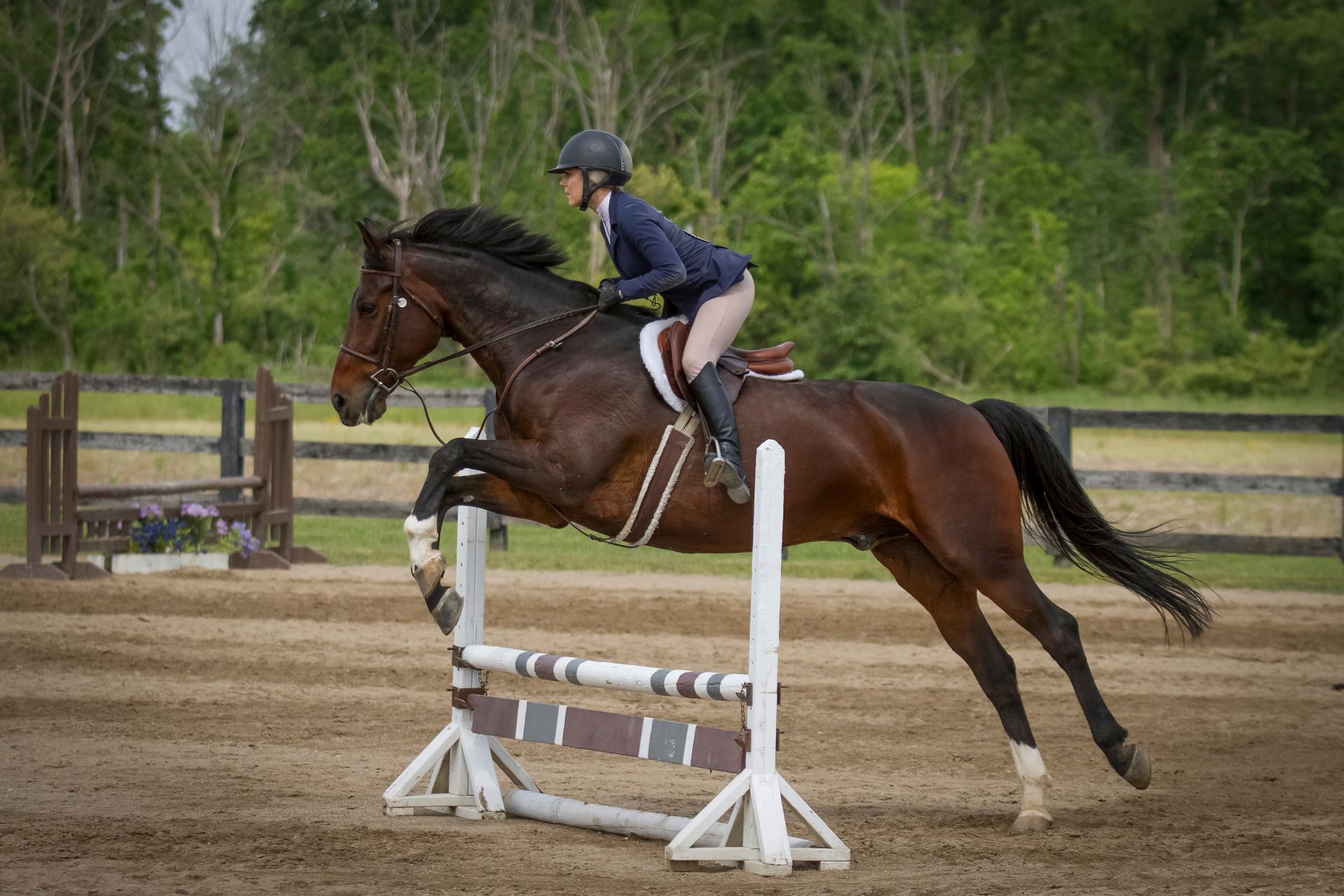
Key Elements That Influence Distance Recognition
The following table gives riders a clear overview of the factors that shape how consistently they see a distance.
| Element | Influence on Takeoff Accuracy |
|---|---|
| Steady Rhythm | Creates predictable stride patterns |
| Line Quality | Keeps the horse straight and balanced |
| Canter Shape | Determines stride length before the fence |
| Rider Focus | Reduces hesitation and supports timing |
This summary shows how interconnected each element is. Riders who practise these basics regularly not only improve their own balance but also create a more organised approach pattern. When studying promising mounts such as those listed among hunter jumper horses for sale, this understanding helps riders identify which horses naturally support consistent rhythm and balance.
Checklist for Improving Approach Strategy
The following checklist gives riders a simple structure to evaluate their approach routine and refine it over time.
| Check | Item |
|---|---|
| ☐ | Maintain a clear line from turn to fence |
| ☐ | Keep eyes focused on the jump early in the approach |
| ☐ | Preserve steady canter rhythm until takeoff |
| ☐ | Support the stride without creating tension |
| ☐ | Observe how the horse reacts to small adjustments |
By reviewing these points after each training session, riders gain greater awareness of their decision making. The checklist also encourages a calm, logical approach to improvement. It helps riders feel prepared for more advanced coursework and smoothens the transition from schooling lines to show environments.
How Line Riding Improves the Rider’s Eye
Riders strengthen their eye by learning to hold lines with clarity and intention. When the horse travels on a straight, balanced track, the rider receives unfiltered information about stride length and feel. This clarity helps the rider notice whether the canter stays energetic or starts to lose impulsion. Many professionals encourage riders to practise long approaches where the main objective is simply staying straight and preserving a consistent frame. Because the lines are predictable, the rider gains time to notice changes in stride and gradually develops a calm sense of distance. Repeating such exercises improves both awareness and confidence, which later makes more technical tracks easier to manage.
Warm Up Patterns That Support Eye Development
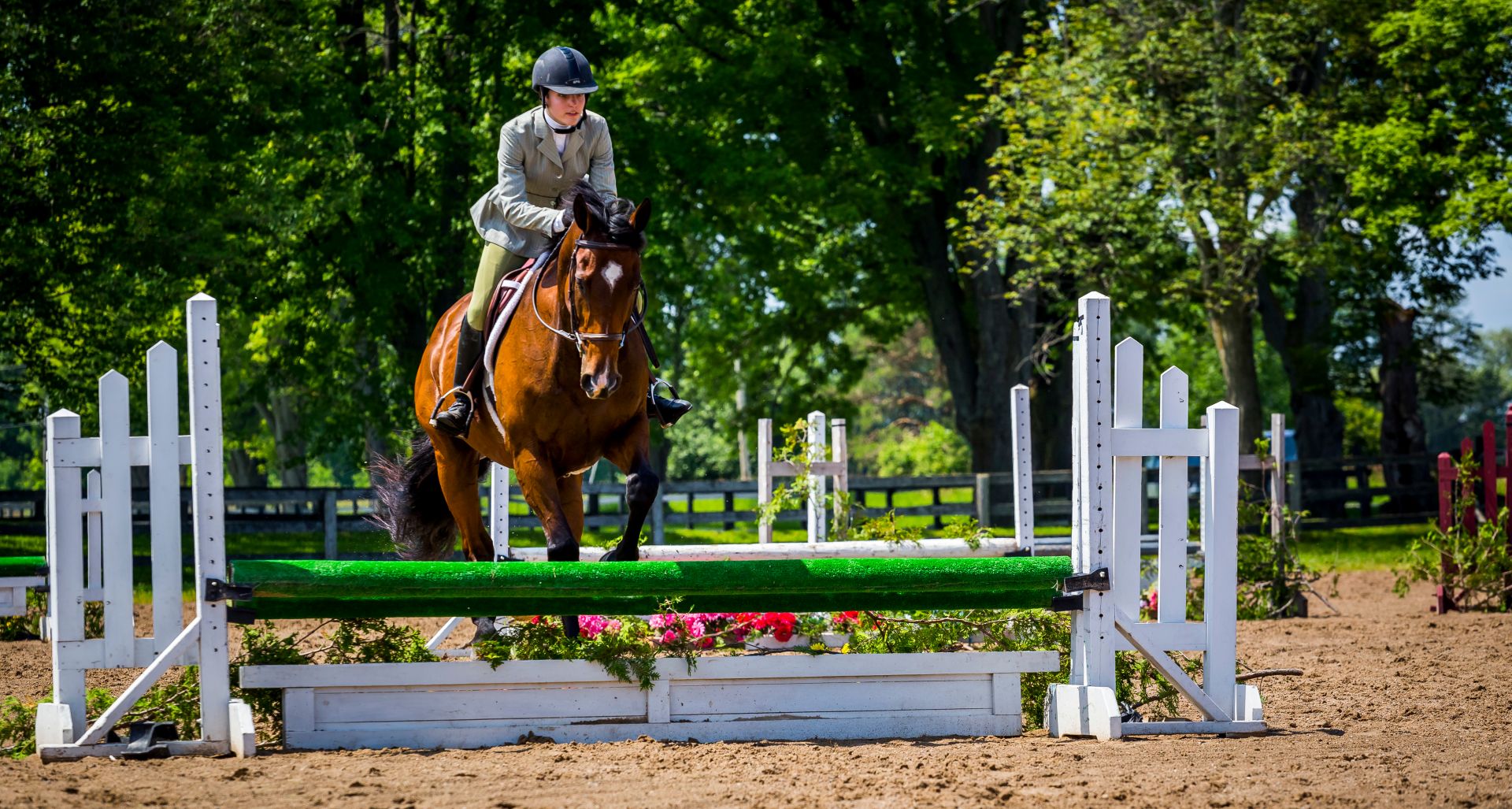
Warm up patterns give riders a controlled space to refine timing before entering a full course. By riding circles with consistent rhythm, practising small gymnastic lines and adding gentle lengthening and shortening exercises, riders prepare their bodies and improve their sense of timing. These warm ups also teach the horse to stay responsive, which is essential for accurate approaches. When both partners feel focused and relaxed, the rider can approach even larger fences with confidence. Riders who study talented competition partners, such as those featured in the recommended collection of talented prospects, quickly see how warm up structure affects performance and visual clarity.
Experience Report: Learning to See Distances with Confidence
Emily Carter, Amateur Rider and Training Clinic Participant
When I started jumping, I believed that riders either had a natural eye or they did not. My trainer quickly taught me that this skill grows from rhythm, balance and steady repetition. In my early lessons I focused on keeping the canter even, because every fluctuation in pace made the jump feel uncertain. Once the rhythm settled, the takeoff point began to reveal itself much more clearly.
My first real breakthrough happened during a simple two-fence schooling line. I kept the approach soft, stayed centred and looked early toward the next jump. For the first time the distance appeared with enough clarity for me to react calmly. That small moment changed my confidence entirely and showed me that the eye develops through structure, not luck.
Later I rode a balanced gelding whose smooth stride made distance recognition far easier. That experience helped me understand stride shape and adjustability on a deeper level, especially when reviewing sale listings such as hunter jumper horses for sale.
Gymnastic exercises refined my timing even more, because their predictable pattern allowed me to focus fully on feel. With each repetition my hesitation faded and my awareness sharpened. Today I rely on rhythm, straight lines and patient preparation to guide my decisions, and these habits continue to strengthen my eye with every ride.
A Clear Path Toward Better Distance Recognition
Riders who combine rhythm control, line discipline and deliberate warm up routines naturally develop a more dependable eye. Confidence grows as lessons become more structured and as the rider learns to interpret stride patterns with calm awareness. Over time, these habits create an approach style that supports smoother takeoffs, balanced landings and more consistent performance across a wide range of fences. With patience and regular practice, the rider’s visual timing becomes an asset that strengthens every ride.
Image source: Terri Cage, Leah Richardson, Chris Gardiner/Adobe Stock